
Introduction
Tea in Japan is more than just a beverage; it is a deeply ingrained cultural ritual that signifies respect, tranquility, and community. An authentic Japanese tea set serves as a canvas for this age-old tradition, showcasing not only the beauty of Japanese craftsmanship but also the philosophy behind tea drinking. https://www.teasetbox.com offers a selection of authentic Japanese tea sets that allow you to experience this rich cultural heritage in your own home. The gentle clinking of ceramic, the elegant folds of linen, and the fragrant steam rising from a freshly brewed pot all contribute to a sensory experience that invites mindfulness and appreciation.
In recent years, there has been a burgeoning global interest in Japanese tea culture, prompting enthusiasts to seek authentic tea sets that embody the spirit and artistry of this practice. Whether you are a seasoned tea connoisseur or a curious newcomer, understanding the elements of an authentic Japanese tea set can enhance your tea-drinking experience and transform it into a ritual of serenity and connection.
This article aims to explore the significance of authentic Japanese tea sets, delve into their design and craftsmanship, and provide tips for incorporating these beautiful items into your own living space. Join us as we embark on a journey to discover the intricate world of Japanese tea culture and how a simple tea set can elevate your daily routine into an elegant celebration of life.
History of Japanese Tea Sets
The history of Japanese tea sets is an intricate tapestry woven with traditions that date back to the 8th century, when tea was first introduced to Japan from China. Initially, the beverage was consumed primarily by the elite and was primarily associated with Buddhist monks, who valued tea for its stimulating properties during meditation. Over the centuries, tea drinking evolved from a simple act into a sophisticated ritual, culminating in the establishment of the Japanese tea ceremony, also known as “Chanoyu” or “the Way of Tea.”
1. Origins and Evolution
During the Heian period (794-1185), tea drinking began to gain popularity among the aristocracy, leading to the development of distinct tea vessels. Early tea sets were primarily utilitarian and made from simple materials. However, as tea culture flourished, artisans began to craft luxurious tea sets, and the aesthetics of tea drinking became paramount. By the Muromachi period (1336-1573), the foundation of the tea ceremony was laid by figures such as Sen no Rikyū, who emphasized the concept of “wabi-sabi,” celebrating beauty in simplicity and imperfection.
2. Materials and Craftsmanship
Authenticity in Japanese tea sets is largely defined by the materials used and the craftsmanship involved in their creation. Traditionally, tea sets were composed of a combination of ceramic, porcelain, and cast iron. Yixing clay teapots, known for their ability to absorb the flavors of the tea, became particularly popular among connoisseurs. The delicate glaze and hand-painted designs on ceramics reflect the meticulous artistry of Japanese potters, while cast iron teapots, or “Tetsubin,” showcase the strength and durability imparted through ancient techniques.
3. The Role of Aesthetics
The aesthetic considerations surrounding tea sets are deeply entrenched in Japanese philosophy. Each piece is designed not only with functionality in mind but also to evoke feelings of calm and harmony. The colors, shapes, and textures are often reflective of the changing seasons, further enriching the experience of tea drinking. The emphasis on aesthetics can be seen in the beautifully crafted “kyūsu” (Japanese teapot), which often features intricate designs and ergonomic handles for pouring.
4. Modern Influence
In the contemporary era, the traditional Japanese tea set has seen innovation while still honoring its roots. Modern potters have begun to experiment with contemporary designs and techniques, leading to a revival of interest among younger generations. This blend of tradition and innovation has birthed unique tea sets that cater to a global audience while maintaining the essence of Japanese tea culture.
Components of a Traditional Japanese Tea Set
A traditional Japanese tea set is crafted with careful consideration of both aesthetics and functionality. Each component plays a vital role in the tea-drinking experience, ensuring that each ritual is not only an act of preparation but also a moment of tranquility and connection. Below, we explore the essential components of a traditional Japanese tea set:
1. Kyūsu (Teapot)
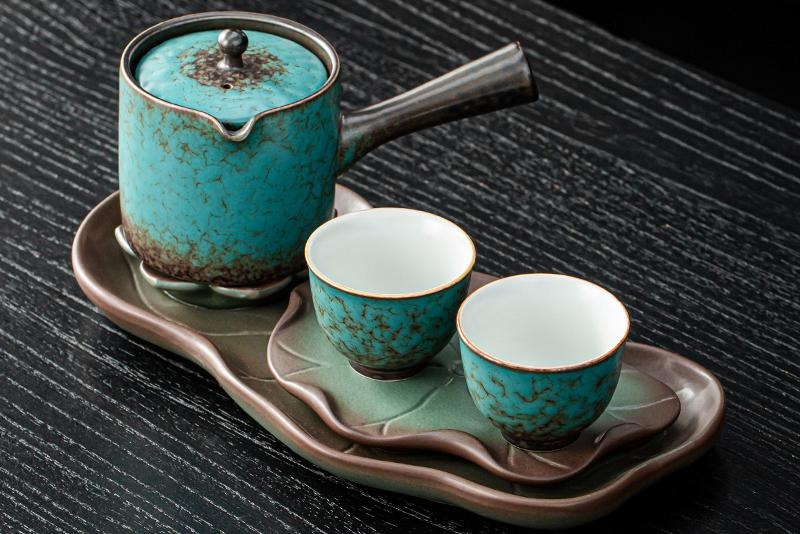
At the heart of the traditional tea set is the kyūsu, a dedicated teapot used for brewing loose-leaf tea. The design of a kyūsu often reflects regional styles, with variations in shape, size, and material. Typically made from clay or porcelain, these teapots feature a side handle, allowing for easy pouring. The spout is crafted to minimize drips, ensuring a smooth serving experience. The intricate craftsmanship found in kyūsu often includes beautiful patterns and glazes, making it a centerpiece of any tea set.
2. Yunomi (Tea Cups)
The yunomi are the bowls used for drinking tea. Unlike Western teacups, yunomi cups are typically taller and broader, providing a comfortable grip and an ideal vessel for appreciating the aroma and flavor of tea. These cups come in various styles, often reflecting the artistry of the potter. Some are simple and understated, while others may showcase elaborate designs. The choice of yunomi can significantly affect the drinking experience, highlighting the importance of sensory enjoyment in Japanese tea culture.
3. Chawan (Tea Bowl)
For those who enjoy matcha, a finely ground green tea celebrated for its vibrant color and rich flavor, the chawan becomes an indispensable component. This bowl tends to be slightly larger and has a wider opening, allowing for the proper whisking of matcha with a bamboo whisk known as a chasen. The surface of the chawan is often rustic and textured, which enhances the visual appeal and tactile experience. This component is particularly significant during tea ceremonies, where the aesthetics of the bowl contribute to the overall experience.
4. Kama (Kettle)
The kama is a kettle used for boiling water, integral to any tea preparation. Traditionally made of cast iron or stainless steel, the kama is designed to retain heat effectively. Some kettles come with intricate designs and are seen as beautiful objects in their own right. The method and temperature of water heating are crucial in extracting the best flavors from the tea leaves, making the kama a functional yet beautiful addition to the tea set.
5. Tana (Tea Tray)
To complete the presentation and organization, a tana or tea tray is essential. This tray provides a designated space to hold all components of the tea set, creating a serene and organized atmosphere for the tea ritual. Often crafted from wood or bamboo, the tray may also feature storage compartments for tea leaves, a tea scoop, and a cloth for wiping drips. The use of a tana enhances the overall aesthetic and promotes the mindfulness inherent in the tea-drinking experience.
6. Chashaku (Tea Scoop) and Chasen (Bamboo Whisk)
For matcha preparation, two additional tools are often included: the chashaku, a bamboo scoop used for measuring tea powder, and the chasen, a bamboo whisk specifically designed to froth matcha into a smooth, creamy drink. The chashaku is elegantly crafted, often featuring unique carvings, while the chasen is made from a single piece of bamboo, with many delicate tines that enhance whisking action. These tools embody the artisanal spirit of Japanese tea-making and underscore the precision involved in the process.
Choosing the Right Tea Set for Your Space
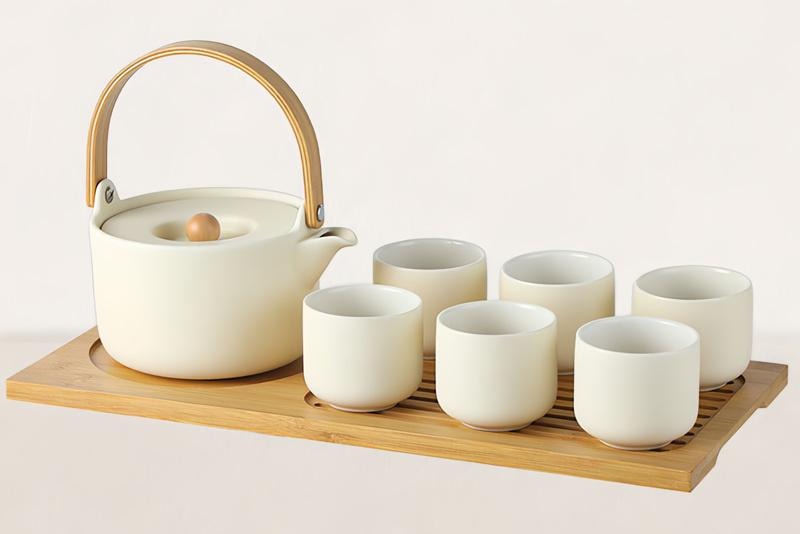
When it comes to selecting an authentic japanese tea set, thoughtful consideration of your space’s style and functionality is essential. Here are some key factors to help you choose the perfect tea set that harmonizes with your home environment while enhancing your tea-drinking ritual.
1. Consider Your Aesthetic
Japanese tea sets come in a variety of styles, from traditional to contemporary. Assess the overall aesthetic of your space. If your home features minimalist decor, a simple yet elegant kyusu with a refined color palette might be ideal. Conversely, if your room boasts traditional Japanese elements, such as tatami mats or shoji screens, opt for a tea set that reflects classic designs, complete with intricate motifs and handcrafted artistry.
2. Size and Scale
The size of the tea set should complement your available space. If you have a compact kitchen or limited dining areas, a smaller tea set comprising a single kyusu and a couple of yunomi (cups) may be sufficient. For larger gatherings, consider a full set that includes multiple cups and a larger kettle. Remember to factor in the space needed for serving and preparation, ensuring accessibility while maintaining a clutter-free environment.
3. Material Matters
Japanese tea sets are typically made from materials such as ceramic, porcelain, or cast iron. Each material not only affects the appearance and feel of the set but also influences the flavor and temperature of the tea. Cast iron kettles, for example, provide excellent heat retention and durability, making them suitable for both traditional and modern settings. On the other hand, porcelain sets add a delicate touch, perfectly suited for lighter teas and special occasions.
4. Functional Needs
Assess how you plan to use the tea set. For regular use, a practical and sturdy set is key. If you anticipate serving matcha, ensure your set includes the necessary utensils, such as a chasen and chashaku. For decorative purposes, select an artisanal piece that may not function optimally but will serve as a stunning centerpiece.
5. Personal Preference and Cultural Connection
Ultimately, the right tea set is one that resonates with you personally. Whether it’s the elegance of a handcrafted tea caddy or the simplicity of a rustic-style cup, select pieces that evoke joy. Understanding the cultural significance behind each element can deepen your appreciation and create a meaningful connection to your tea-drinking experience.
Styling Your Space with a Japanese Tea Set
Incorporating an authentic Japanese tea set into your home can transform an ordinary space into a serene oasis. The minimalist aesthetics and deep cultural heritage of these tea sets encourage a tranquil atmosphere, perfect for relaxation or social gatherings. Here’s how to style your space effectively using a Japanese tea set.
1. Choose the Right Location
The first step to styling your space is selecting an ideal spot for your tea set. Consider areas where you typically unwind, like a cozy reading nook, an airy kitchen countertop, or a serene corner of your living room. Placing your tea set in a prominent location can make it accessible during tea rituals while also inviting guests to appreciate its beauty. Ensure that the spot gets enough natural light, which can enhance the colors and details of your tea set.
2. Pair with Natural Elements
Japanese tea culture emphasizes a harmonious connection with nature, so surround your tea set with natural elements that echo this philosophy. Incorporate soft greenery with indoor plants like bonsai or bamboo, which complement the calming vibe. Use wooden serving trays or bamboo mats to create a cohesive look that pays homage to traditional Japanese aesthetics. The organic textures will also help balance the ensemble and add warmth to your space.
3. Create a Themed Display
A complete tea set can serve as an impressive focal point when styled thoughtfully. Group your kyusu, yunomi, and any accompanying accessories on a dedicated shelf or table. Consider a display that reflects the seasonal changes with elements like fresh flowers in a simple vase or seasonal decorations inspired by Japanese traditions. For instance, cherry blossom branches in spring or autumn leaves can beautifully frame your tea set and elevate the overall theme.
4. Utilize Textiles Wisely
Textiles play a crucial role in enhancing the overall aesthetics of your tea ritual. Choose fabric options like a silk table runner or a refined tatami mat to serve as a backdrop for your tea set. Use handwoven coasters under your cups to add a layer of sophistication while protecting surfaces. Generally, opt for subtle colors or traditional patterns that evoke a sense of calmness, reflecting the simplicity and elegance inherent in Japanese design.
5. Embrace Minimalism
Japanese design principles are deeply rooted in minimalism, which means less is often more. When styling your space, avoid overcrowding by featuring your tea set as the main attraction. Limit other decorative items on the same surface or shelf to allow the tea set to stand out. This approach will not only emphasize the beauty of each piece but also embody the Zen philosophy associated with Japanese tea culture.
Care and Maintenance of Japanese Tea Sets
Maintaining the integrity and aesthetic appeal of your authentic Japanese tea set is essential to ensure a lasting experience with this cherished tradition. Proper care not only preserves the beauty of the items but also enhances your tea-drinking ritual. Here are some important considerations for the care and maintenance of your tea set:
1. Gentle Cleaning Techniques
Japanese tea sets, particularly those made of ceramic or porcelain, require gentle handling. After each use, allow the pieces to cool down before cleaning. Wash them with warm water using a soft cloth or sponge. Avoid using abrasive detergent or scrubbers that may scratch the surface. For stubborn stains or tea residue, a mixture of baking soda with water can be an effective gentle cleanser. Rinse thoroughly to ensure no cleaner remains.
2. Drying and Storing Properly
After washing, it’s crucial to dry your tea set completely to prevent moisture from causing damage. Use a soft, dry cloth for this purpose. Once dried, store your tea set in a dedicated space, protecting it from direct sunlight and extreme temperature fluctuations. Ideally, keep the pieces in a padded box or on a cushioned shelf to avoid accidental damage. Ensure that the teapot’s lid is slightly ajar during storage to allow any residual moisture to evaporate.
3. Avoiding Extreme Conditions
To prolong the life of your tea set, it’s advisable to avoid exposing it to extreme temperatures. Sudden changes—for instance, pouring hot tea into a cold cup—can cause thermal shock, potentially leading to cracks or breakage. Similarly, avoid placing your tea set in a dishwasher or microwave unless explicitly stated by the manufacturer, as the high heat and intense conditions can compromise the material.
4. Regular Inspections
To maintain your tea set in optimal condition, perform regular inspections. Look for cracks, chips, or discolorations that may develop over time. If you find any damage, deal with it promptly to avoid further deterioration. Minor chips can sometimes be repaired using appropriate adhesives, but be cautious as some repairs may affect the aesthetic or functionality of the piece.
5. Embracing the Character of the Set
Over time, your tea set may develop a patina that adds character to the pieces. Instead of striving for a pristine look, embrace the unique stories that come with each use. This is especially true for unglazed Yohen-style ceramics or handmade pieces, where the beauty often lies in their imperfections. Regular, gentle maintenance will help retain their charm while honoring their heritage.
Hosting a Traditional Japanese Tea Ceremony
Hosting a traditional Japanese tea ceremony is a remarkable way to share culture, hospitality, and the beauty of simplicity with your friends and family. Known as “chanoyu,” this ceremonial practice has deep-rooted significance in Japanese history and emphasizes mindfulness, respect, and harmony. Here are key elements to consider when hosting your own tea ceremony.
1. Understanding the Philosophy
Before diving into the logistics, it’s essential to understand that the tea ceremony is not just about drinking tea; it embodies a philosophy based on the principles of harmony (wa), respect (kei), purity (sei), and tranquility (jaku). This mindset should permeate every aspect of your ceremony, from the ambiance you create to the interactions with your guests.
2. Selecting the Right Space
Choose a tranquil environment that embodies simplicity and elegance. Traditional tea ceremonies are often held in a tatami room, with minimal decorative elements to instigate a sense of calm. If you’re limited by space, select an area where you can lay down a tatami mat or at least clear away distractions, allowing your guests to immerse themselves fully in the experience.
3. Preparing the Essential Tools
An authentic Japanese tea ceremony requires specific utensils, including:
- Chawan (tea bowl): For serving the tea, usually crafted from ceramic and may vary in design and texture.
- Chashaku (tea scoop): Used for measuring matcha powder.
- Chasen (tea whisk): A bamboo whisk vital for frothing the matcha and achieving the desired consistency.
- Hishaku (ladle): For pouring hot water into the tea bowl.
Providing these items evokes a genuine atmosphere, so ensure that they are well-cared for and arranged aesthetically prior to the ceremony.
4. Choosing the Right Tea
Matcha, the powdered green tea essential to the ceremonial aspect, should be high-quality to provide an exceptional experience. Consider sourcing your matcha from reputable suppliers, ideally from Japan, to guarantee authenticity and richness. For guests who may not be familiar with matcha, offer a brief explanation of its origins and profound significance in Japanese culture.
5. The Ceremonial Procedure
The ceremony itself involves a series of precise and graceful actions, each symbolizing harmony and respect. Here’s a basic outline:
- Welcoming Guests: As your guests arrive, greet them warmly and guide them to a designated area for seating. A thoughtful gesture might include offering a light snack or wagashi (traditional sweets) to complement the tea.
- Water Preparation: Use a kettle or iron teapot to heat water, creating an inviting aroma. Consider the temperature of the water—ideally around 80-90 degrees Celsius for whisking matcha to perfection.
- Brewing the Tea: Use the chashaku to measure out matcha into the chawan, followed by pouring hot water. With the chasen, whisk the tea in a zigzag motion until it becomes frothy and well-blended. Present the tea bowl to the first guest with a mindful bow, allowing them to express gratitude before sampling the tea.
- Sharing the Experience: After the first guest enjoys their tea, they return the bowl to you, signaling the next guest’s turn. Highlight this communal atmosphere where each participant engages in the beauty of sharing.
Conclusion
An authentic Japanese tea set is more than just a collection of beautifully crafted vessels; it embodies a rich history, intricate artistry, and a deep-rooted cultural significance. As you consider adding a tea set to your home or space, remember that each piece tells a story—a story of tradition, craftsmanship, and the serene ritual of tea drinking. The blend of heritage and modernity found in contemporary designs allows you to experience this timeless practice in a way that is personal and meaningful.
Investing in an authentic Japanese tea set not only enhances your home aesthetic but also encourages mindfulness and reflection during your tea ceremonies. Whether you are hosting friends or enjoying a quiet moment to yourself, the presence of these exquisite pieces transforms the experience of tea into an art form. Embrace the elegance of Japanese tea culture, and let the ritual of brewing and sharing tea foster a greater connection to both tradition and the present moment. With an authentic Japanese tea set, you’re not just engaging in a beverage ritual—you’re participating in a piece of living history.