
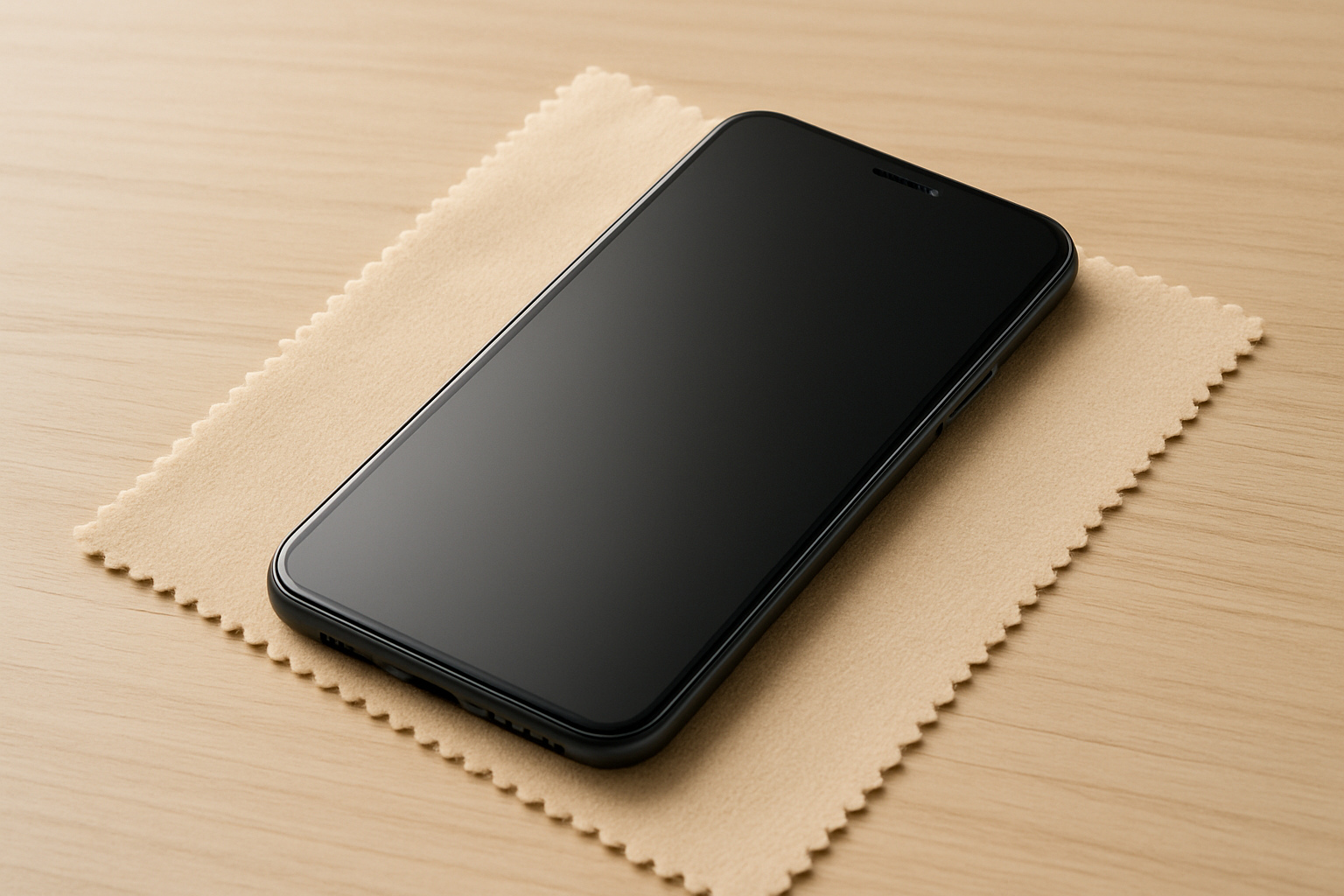
A phone screen goes through a lot every day. It gets touched, tapped, placed on different surfaces, carried in pockets and bags, and exposed to dust. This also explains why so many people deal with scratches and cracks sooner than they expect. Many now look for quick protection solutions, and options like a screen protector vending machine china make it easier to get instant screen protection when needed. Still, long-term care starts with simple habits.
Taking care of a phone screen is not difficult. A few small changes in daily use can help keep the display clear, responsive, and free from marks. Here are practical tips that make screen care much easier.
Keep Your Phone Away From Hard Objects
Most scratches happen because the phone comes into contact with something sharp. Keys, coins, and metal accessories can leave marks even with light pressure. One of the easiest habits is to keep your phone in a separate pocket or a different section of your bag. This prevents accidental rubbing that slowly wears down the display.
If you use a backpack or handbag regularly, choose a soft inner pocket for your phone. This reduces friction and protects it when the bag moves or gets placed on the floor.
Use a Screen Protector From Day One
A screen protector creates an additional layer between your fingers and the glass. Even if the protector gets scratched, the actual screen stays safe. Tempered glass protectors are popular because they feel close to the original screen and offer better resistance than plastic ones.
There are also newer films designed to reduce smudges, fingerprints, and glare. Whichever type you pick, replacing the protector once it shows signs of wear keeps the screen underneath looking new.
Clean the Screen Regularly With the Right Materials
Dust and oil reduce clarity and can even leave stains over time. Many users wipe their screens with shirts or tissues, but these can trap particles that scratch the surface. A soft microfiber cloth is a better choice because it lifts dust without rubbing it into the glass.
If the screen has smudges that don’t go away easily, use a small amount of screen-cleaning spray. Avoid household cleaners because they may contain chemicals that weaken the screen coating.
Choose a Case That Protects the Edges
While a screen protector guards the front, a good case protects the sides and corners. Many cracks start at the edges when the phone drops at an angle. A case with raised edges around the screen gives extra protection if the phone lands face down.
Silicone cases offer grip that helps prevent slips, while stronger options like hybrid cases provide better safety from accidental drops. Pick one that fits comfortably in your hand so you naturally hold the phone more securely.
Avoid Using Your Phone in Risky Places
Phones often get damaged in places where people are not paying full attention. Bathrooms, kitchens, gyms, and crowded streets all raise the chances of dropping the phone. Water, steam, and food particles can also harm the display.
Try setting the phone on a stable, clean surface in such environments. If you must carry it, hold it firmly and avoid multitasking. Small adjustments like this can help reduce accidents dramatically.
Keep Your Phone Away From Extreme Heat
Heat affects both the phone’s performance and the screen’s coating. Leaving the phone in direct sunlight, especially in a parked car, can make the screen more prone to long-term wear. High temperatures also make the adhesive used in some protectors weaker.
If you are outdoors for long periods, store the phone in a bag or pocket away from direct light. At home, avoid placing it near stoves or windows where sunlight falls for hours.
Handle the Phone With Dry, Clean Hands
Water droplets, lotions, and sweat transfer easily to the screen. They not only affect clarity but can cause temporary touch issues. Using the phone with wet hands also increases the chance of slipping.
Wipe your hands before using your phone, especially after workouts, cooking, or outdoor activities. This small habit helps keep the display clean and reduces the risk of dropping the device.
Use a Phone Holder While Driving
Many screens get scratched or cracked because the phone slides around in the car. A holder keeps the device stable, prevents it from hitting hard surfaces, and helps you use maps more safely.
Choose a holder with soft grips so the sides of your phone do not rub against hard plastic. This also helps maintain the edges, which play a big part in keeping the screen safe.
Avoid Putting Pressure on the Screen
Many people place their phone at the bottom of a heavy bag or sit with it in their pocket. Both situations put pressure on the screen. Even if the glass does not break immediately, repeated pressure can weaken it.
Store your phone in a part of your bag where it will not get crushed, or take it out of your pocket before sitting down. These small steps prevent stress on the display.
Replace Damaged Screen Protectors Immediately
If your screen protector cracks, remove it and add a new one. Keeping a cracked protector on the phone can put pressure on the real screen. Cracks also collect dust and moisture, which may transfer to the glass.
New protectors are affordable and easy to apply. Replacing them quickly helps maintain the screen’s fresh appearance.
Avoid Cheap Cleaning Products
Some liquids contain alcohol or ammonia, which can damage the screen coating over time. These coatings are there to resist fingerprints and improve visibility. Once damaged, the screen becomes harder to clean.
Stick to products made for electronics or simply use a dry microfiber cloth. Gentle cleaning keeps the display clear without affecting the surface.
Consider a Foldable Stand for Daily Use
When you place your phone face down on a table, small grains of dust can scratch the surface. Using a foldable stand prevents this by keeping the phone upright. It also makes watching videos or attending calls easier.
Since stands are lightweight and portable, you can keep one at your desk or carry one in your bag.
Final Thoughts
Keeping your phone display looking new does not require much effort. Simple habits like using a protector, cleaning with proper materials, avoiding pressure, and keeping the phone away from sharp objects can make a big difference. These steps help you maintain clarity, touch response, and overall screen quality for a long time.