
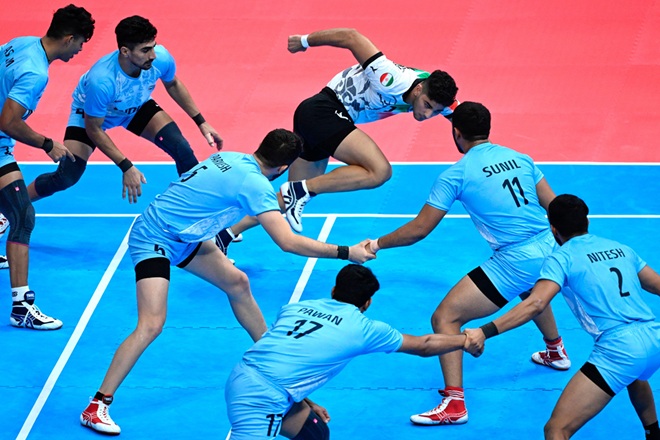
Married life already runs on shared routines – work shifts, errands, family calls, and short windows where both partners finally sit down. Kabaddi seasons now slide into that mix with packed schedules, bright broadcasts, and constant commentary. When one spouse follows the sport closely and the other cares more about household stability, kabaddi betting has to fit both realities at once. A calm structure around screens, money, and time turns match nights into something the couple manages together instead of a quiet source of stress.
Shared Evenings When Kabaddi Takes Center Stage
Most couples do not experience kabaddi the same way. One partner might track raiders, corner combinations, and league tables, while the other treats the match as background during dinner or chores. Friction starts when live odds and fast decisions appear on the same screen as family chat threads. The fix is not a lecture about sport or a blanket ban. It is an honest conversation about how many evenings the league will occupy, which matches are “full focus,” and where betting, if present at all, fits inside that pattern without swallowing every shared hour.
Some spouses decide that if one partner wants to explore structured tools such as kabaddi betting parimatch, the other partner still stays informed about basic rules, limits, and control options. That does not mean both people must follow every market. It means the non-betting partner understands how deposits, caps, and self-exclusion work, so match talk never feels like a secret club. When a betting screen opens during a raid, both sides already know what the ceiling is for that night and when the app will close, which takes heat out of the situation before emotions run high.
Turning Stakes Into Transparent Household Numbers
Money arguments rarely start with big purchases. They usually grow from repeated small decisions that no one wrote down. Kabaddi seasons are long, so any betting related to them belongs in the same spreadsheet, envelope system, or budgeting app that already tracks groceries, school fees, and savings. Couples who treat betting spend as part of a defined entertainment line find it easier to avoid surprises. A fixed monthly figure exists on paper. A smaller match-night cap sits under that number, and both spouses can see how much of it has already been used.
Transparency also means labeling deposits correctly. Instead of calling them “extra,” they sit under the same budget section as streaming subscriptions, meals out, or movie tickets. That simple re-labeling changes tone. It becomes clear that one more top-up might delay another shared plan, like a short trip or a home purchase. When numbers are visible, a partner can say, “This month’s entertainment bucket is nearly done, so tonight stays watch-only,” and the decision sounds practical rather than emotional. Over time, that shared view of the ledger protects both the relationship and the household from sudden, late-season impulses.
Communication Routines That Survive A Long Season
Good communication around kabaddi and betting is less about dramatic talks and more about small, repeatable check points. Long seasons tire everyone out. Workload, travel, and family events stack up, so patience runs thin just when knockout matches appear on the calendar. Couples who rely only on big, occasional conversations about money and time tend to drift back into old patterns between them. Short, predictable check-ins before busy weeks create fewer misunderstandings than rare, intense discussions after something has already gone wrong.
Short Check Ins Before Match Nights
A simple pre-match check works better than any long speech. Ten minutes before a key fixture, partners can confirm how the evening will look – who handles which chores, whether guests are expected, and how betting, if any, fits in. These check-ins are more effective when they follow the same pattern each time, so neither spouse feels interrogated or blind sided. A quick set of prompts keeps them grounded in facts instead of in assumptions:
- Which part of the evening is “match focus” and which part belongs to family tasks or calls.
- Whether tonight is a betting night or a pure viewing night, based on the monthly budget.
- What the hard cash limit is for this match and what happens when it is reached.
- When screens go off, including a realistic latest time so sleep and next-day commitments stay protected.
- How both partners can signal discomfort during play if noise, time, or spending start to feel off.
Managing Shared Devices And Notifications
Phones and TVs are rarely personal in a shared home. Children borrow devices for homework, relatives call on video apps, and partners swap chargers and remotes. Any betting activity that runs on shared hardware needs clear boundaries. Strong screen locks and separate profiles protect both privacy and household rules. App icons for banking and betting should live away from children’s games, and notifications about wins, losses, or offers should stay out of shared lock screens where they can cause embarrassment or tension at the wrong moment.
Digital hygiene also matters for peace of mind between spouses. One partner should not learn about account balances through random pop-ups during a family video call. Quiet, controlled notifications that fire only for deposits, withdrawals, or limit changes to support trust. If a spouse reduces limits or activates a break period, that change can be mentioned in conversation rather than discovered accidentally. Over time, the device layout itself starts to tell a story – betting tools appear when planned, stay invisible during family time, and never push for attention during meals, bedtime, or important discussions.
Keeping Kabaddi Nights Aligned With Relationship Priorities
Kabaddi can strengthen shared routines when it is handled like any other recurring event in married life. A set of evenings on the calendar, a clear budget, and a predictable screen plan keep the sport inside a healthy frame. When betting is involved, guardrails around money, time, and devices protect that frame from slow drift. The goal is simple. The relationship comes first, household plans come next, and kabaddi fills the gaps as a chosen hobby rather than an automatic demand.
Couples who treat kabaddi nights this way feel more in control across the season. One partner may care more about tactics, the other more about quiet time after work, yet both know what to expect when a match starts. Boundaries around staking, app usage, and bedtime give the league a clear place in the week instead of letting it spill into every conversation. When the final whistle blows, the house still feels like a shared space guided by joint decisions, with kabaddi sitting in its own corner rather than running the entire scoreboard of married life.